The Reasons Why Hiring a Professional Plumber Will Save You Time and Money
Engaging a professional plumber offers considerable advantages for homeowners. Their expertise enables swift diagnosis of problems, stopping small matters from worsening. Additionally, professional plumbing specialists use professional-grade instruments that guarantee accuracy and adherence to local standards. This adherence not only protects against potential penalties but also reduces future maintenance expenses. Recognizing these advantages raises important questions about the dangers associated with DIY work and how to find the right specialist for the job.
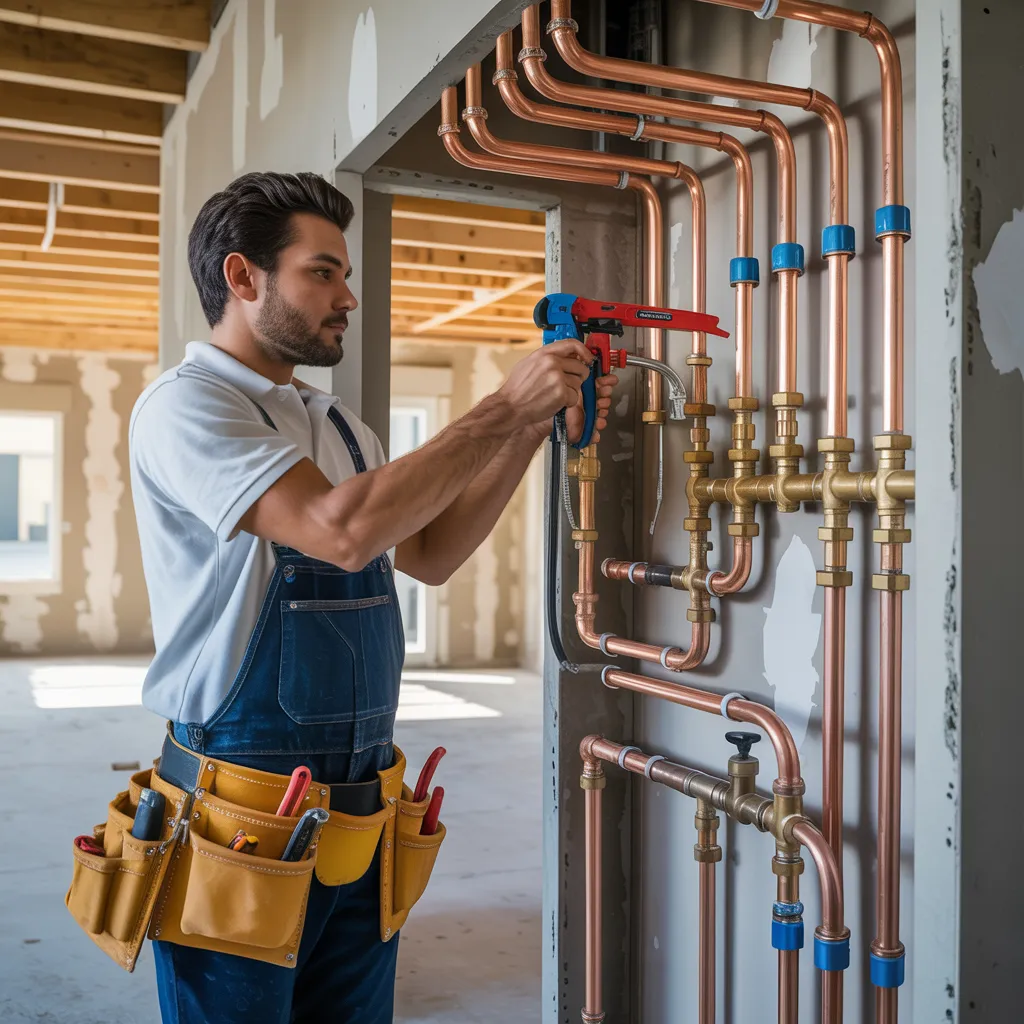
Typical DIY Plumbing Blunders You Should Avoid
Numerous homeowners tend to overlook the complexities of plumbing, causing frequent DIY mistakes. A typical error is the incorrect use of instruments, which can damage plumbing components. Numerous individuals also forget to turn off the water supply before beginning repairs, causing flooding and unexpected complications. Underestimating the seriousness of leaks often results in temporary fixes that fall short, creating more substantial issues over time.
Another common error is selecting improper sealants or adhesives, which can deteriorate when exposed to pressure or temperature variations. Many homeowners tend to ignore local plumbing codes, leading to possible fines or dangerous installations. In addition, failing to adequately assess the problem can cause ineffective repair attempts, wasting both time and money. In most situations, these errors could readily be prevented by hiring a qualified professional plumber, who possesses the experience and knowledge to handle plumbing concerns competently and thoroughly from the beginning.
The Overlooked Costs of DIY Plumbing Work
Even though DIY plumbing repairs can seem like a money-saving option initially, homeowners commonly underestimate concealed costs that can result from these undertakings. To begin with, acquiring equipment and materials can accumulate into significant costs, particularly when specialized tools are needed. These costs are often multiplied if the homeowner is forced to acquire supplies multiple times due to inaccurate measurements or calculation errors.
Furthermore, many DIY repairs can inadvertently result in further damage, escalating repair costs. For example, an incorrectly fixed leak might result in water damage, mold growth, or structural issues that require professional intervention. Homeowners may also face time losses, as unskilled individuals might spend substantially longer on repairs than expected.
Ultimately, the failure to provide warranties or guarantees on DIY work can lead to future expenses if complications reappear. All things considered, what initially appears to be a economical solution can transform into a costly endeavor, making hiring a professional plumber a wiser choice in the overall scheme of things.
Quick Diagnosis by Professional Plumbers
Experienced plumbing professionals possess extensive knowledge in quickly detecting plumbing problems. Using sophisticated diagnostic technology, they can accurately assess problems that could be missed by those without proper training. This effectiveness not only preserves valuable time but also minimizes further damage, providing a more reliable restoration process.
Skill in Recognizing Challenges
When faced with plumbing issues, homeowners often find themselves challenged by the complexity of the issues they face. Professional plumbers have the knowledge to quickly pinpoint underlying issues that may not be obvious at first glance. Their years of training and hands-on experience allow them to recognize patterns and symptoms, enabling them to tell apart minor inconveniences and significant threats to the home's plumbing system. This expertise reduces the uncertainty involved in diagnosing problems, ensuring that the right solutions are executed in a timely manner. By correctly diagnosing problems, professional plumbers can prevent further damage and costly repairs, ultimately benefiting homeowners in terms of time and cost. Their specialized knowledge is essential in navigating through the often-confusing world of plumbing complexities.
Sophisticated Diagnostic Tools
Leveraging advanced diagnostic tools, plumbing professionals can quickly assess and address plumbing concerns with exactness. These tools, such as pipe inspection cameras and electronic leak detection devices, enable professionals to pinpoint problems tucked behind walls or buried underground. By delivering a comprehensive view of pipes and plumbing networks, they minimize the uncertainty often associated with plumbing repairs. This technology not only allows for more rapid evaluations but also decreases the necessity of invasive procedures, allowing homeowners to conserve time and resources. Furthermore, sophisticated diagnostic instruments help plumbers create detailed reports, allowing for informed decision-making regarding upkeep and repairs. In the end, depending on these innovative solutions improves the productivity and performance of plumbing services, ensuring issues are resolved promptly and accurately.
How Professional Tools Improve Plumbing Repairs
Even though many homeowners consider tackling plumbing repairs on their own, employing professional-grade tools greatly boosts the effectiveness and precision of plumbing work. Expert plumbers employ advanced equipment like pipe inspection cameras, which allow for precise inspection of hidden issues within pipes. This functionality overview supports exact problem diagnosis, lowering the chances of costly repair mistakes.
Moreover, devices like hydraulic drain cleaners and trenchless solutions can accelerate fixes that would typically take hours or days. These innovations reduce damage to property and assure that repairs are completed swiftly. Industry-standard tools and fittings also guarantee a durable and reliable seal, preventing potential leaks that may develop from insufficient do-it-yourself attempts.
Furthermore, the right equipment guarantee compliance with industry standards, providing homeowners peace of mind. By employing sophisticated equipment, expert plumbers provide superior repairs that not only reduce time spent but also reduce future costs linked to plumbing problems.
The Reasons Plumbing Codes Are Essential for Your Safety?
Complying with plumbing codes is vital for ensuring safety and functionality in all plumbing systems. These codes are created to minimize risks associated with plumbing installations, handling potential concerns such as leaks, water contamination, and structural damage. Compliance with these regulations assures that techniques and materials used in plumbing are tested and proven to be safe.
When plumbing codes are followed, the risk of costly repairs and health issues decreases considerably. For instance, poor drainage can result in standing water, promoting mold proliferation and presenting health dangers. Furthermore, regulations mandate adequate venting systems to avoid dangerous gas accumulation.
Hiring a licensed plumber who understands these codes guarantees that installations are performed correctly, decreasing the risk of hazardous conditions. Ultimately, following plumbing codes not only preserves the soundness of the plumbing system but also protects the well-being of occupants, making it a fundamental aspect of any plumbing project.
The Ways Professional Plumbing Helps You Save Time
Expert plumbers provide experience that empowers them to rapidly identify problems that could take a homeowner days to detect. Their effective repair methods not only resolve the issue thoroughly but also reduce disruption, allowing for a swift return to normalcy. By relying on trained professionals, homeowners can conserve significant time and eliminate the stress of ineffective DIY repair efforts.
Expert Problem Diagnosis
Identifying plumbing issues is often a complex process for homeowners, commonly causing avoidable setbacks and expensive errors. Skilled plumbers have the ability to accurately diagnose problems quickly. Their training and experience enable them to detect clues and signals that can escape the notice of an untrained observer. With the aid of professional tools and strategies, they can identify the underlying source of problems, such as water leaks or drainage obstructions, instead of merely treating superficial signs. This professional assessment not only reduces time spent but also avoids additional harm, which can escalate repair costs. Homeowners can trust that a professional plumber will examine the condition comprehensively, delivering confidence and guaranteeing that the plumbing system functions optimally.
Professional Repair Solutions
When plumbing concerns emerge, swift and effective repairs are essential to reduce interference in everyday routines. Professional plumbers possess the expertise to rapidly diagnose issues and apply fixes. Their training allows them to tackle difficult situations that could perplex an amateur. By using specialized tools and techniques, they can frequently address plumbing concerns much faster it would take an amateur. This proficiency not only reinstates order but also stops small problems from developing into expensive fixes. Furthermore, skilled plumbers comply with safety regulations, minimizing the chance of additional harm or accidents. Overall, hiring a professional guarantees that plumbing repairs are handled promptly and effectively, conserving significant time and effort.
Guidelines for Choosing the Right Plumber
Identifying the right plumber can substantially affect the overall quality and pricing of household repairs, especially when plumbing problems arise without warning. To guarantee a successful selection process, residents should commence by exploring local plumbing professionals. Digital reviews and suggestions from trusted friends and family can deliver useful information.
Furthermore, it is important to check for proper licensing and insurance. A licensed plumber should hold the necessary credentials and have insurance to guard against potential liabilities. Additionally, getting multiple proposals can help homeowners evaluate pricing and offerings.
Effective communication is equally important; a good plumber should be willing to explain the problem and proposed solutions clearly. Furthermore, seek references to evaluate their trustworthiness and craftsmanship. By applying these guidelines, homeowners are able to carefully choose a plumber who satisfies their requirements and ensures high-quality repairs, effectively saving both time and money.
Questions We Often Receive
How Do I Know if My Plumbing Problem Is Urgent?
A plumbing issue is deemed an emergency should it feature major leaks, sewer backup, or reduced water pressure. Prompt attention is necessary so as to eliminate more extensive damage, escalating repair costs, and serious health concerns resulting from unresolved problems.
What Certifications Should a Qualified Plumber Hold?
A professional plumber ought to have proper certifications, licenses, and comprehensive training. They must also possess experience in various plumbing systems, knowledge of local codes, and the capability to diagnose issues effectively, ensuring quality service for clients.
Is It Safe to Rely on Online Reviews When Selecting a Plumber?
Online reviews can provide valuable insights into a plumber's reliability and quality of service. However, one should approach them with caution, considering potential biases and the overall volume of reviews for a balanced perspective.
How Long Can You Expect a Common Plumbing Repair to Take?
An average plumbing fix usually takes anywhere from one to three hours, subject to the complexity of the repair. Factors such as the type of repair, accessibility, and required materials can have a considerable impact on the overall time required.
What Are Common Signs of Plumbing Issues in My Home?
Frequent warning signs of plumbing troubles include slow drains, water stains on ceilings or walls, unusual noises from pipes, fluctuating water pressure, and persistent odors. Detecting these indicators at an early stage can reduce the risk of extensive damage and high repair costs.